



What is the skin flora?
The skin flora is the collection of microorganisms that naturally live on the surface of the skin. Among them, we notably find:
-
Staphylococcus epidermidis, a beneficial bacterium that helps defend against pathogens;
-
Cutibacterium acnes, involved in the balance of sebum (and sometimes in acne when there is imbalance);
-
Malassezia, a yeast naturally present in sebum-rich areas.
Each area of the body has its own microbiota: the face, scalp, armpits, and hands do not host the same populations. This diversity depends on many factors, such as humidity, sebum production, pH, temperature, age, sex, and environment.
Why is the skin flora so important?
The skin flora plays several essential roles...
Role #1: it is a protective barrier
Good bacteria occupy the space and prevent pathogenic microorganisms from settling. This is called the barrier effect. When the microbiota is balanced, it limits infections and inflammations.
Role #2: it regulates the skin's immune system
The skin microbiota constantly communicates with our immune system. It helps the skin distinguish what is harmless from what poses a threat. An imbalance can promote inflammatory reactions or increased sensitivities.
Role #3: it maintains pH and hydration
The skin has a slightly acidic pH (around 4.5 to 5.5), called the "acid mantle." The skin flora helps regulate the skin's pH and maintain its hydration.
What weakens the skin flora?
Many factors can disrupt this fragile balance. Indeed, overly aggressive cleansing, repeated antiseptics, or intensive exfoliations alter the hydrolipidic film and change the microbial composition. Added to this are chronic stress, pollution, excessive sun exposure, and certain medical treatments such as antibiotics.
An imbalanced skin flora can manifest as:
-
Tight skin and a feeling of discomfort;
-
Redness or increased hypersensitivity;
-
Acne breakouts or blemishes;
-
Persistent dryness despite hydration.
These signs often indicate a weakened skin barrier and disturbed microbiota. The solution does not lie in more products, but in a more respectful and minimalist approach!

Clean without stripping to care for the skin flora
Cleaning is essential, but it must remain gentle. The goal is to remove impurities, excess sebum, and pollution particles without disturbing the microbiota. A cleanser that is too alkaline or too detergent-based alters the pH and weakens the skin flora.
It is preferable to favor:
-
Cleansers with a pH close to that of the skin;
-
Hydrating ingredients;
-
An appropriate frequency, generally once or twice a day.
Water that is too hot and excessive washing should be avoided, as they dissolve protective lipids. Healthy skin does not need to be sterile: it needs to be balanced.
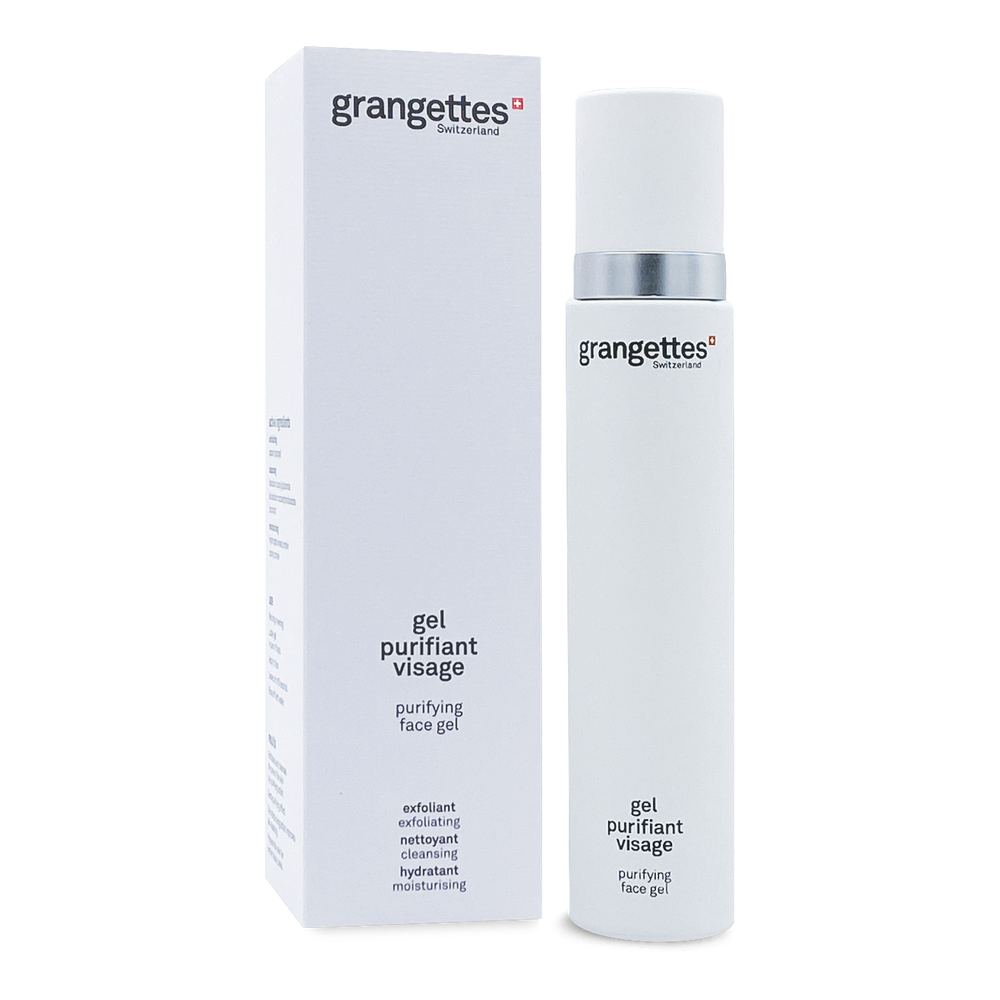
To achieve this, you can turn to the Grangettes Switzerland purifying gel: ingredients derived from coconut, such as disodium cocoyl glutamate and disodium cocoamphodiacetate, act as cleansers to remove impurities and excess sebum, leaving the skin clean and radiant.
- Regular price
- CHF 36.00
- Regular price
- Sale price
- CHF 36.00
- Unit price
- per
Supporting the skin barrier by hydrating it
The skin barrier and the microbiota work in synergy. When one is weakened, so is the other. Regular hydration helps maintain this cohesion. Apply a product to your slightly damp skin to retain water and strengthen the protective film.
Here, you can turn to moisturizing ingredients such as:
- Hyaluronic acid;
- Apricot oil;
- Vegetable squalane;
- Allantoin.
Three allies accompany you in your approach:
For the body, Grangettes regenerating milk: its expert formula maintains skin structure and regulates hydration. Use it directly after showering to hydrate and soothe your skin;

- Regular price
- CHF 35.00
- Regular price
- Sale price
- CHF 35.00
- Unit price
- per
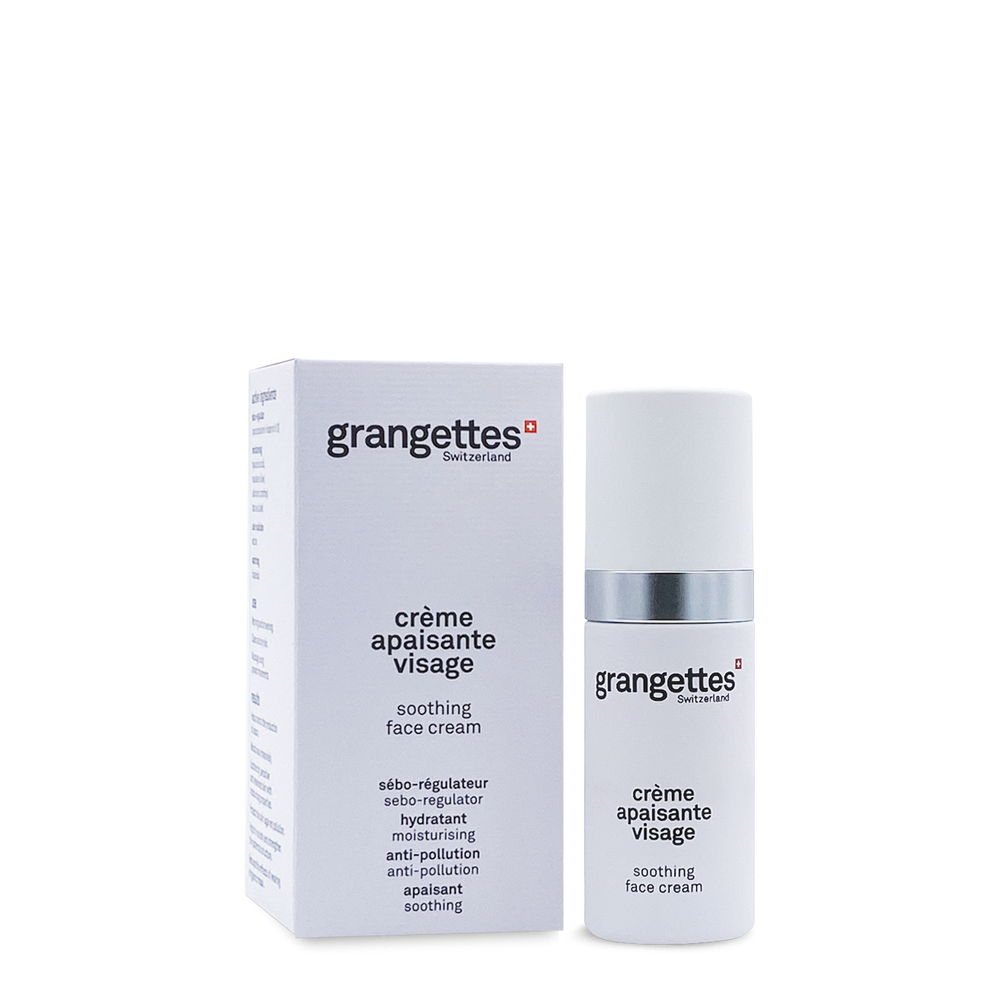
For the face, opt for the soothing cream or the anti-aging cream: both contain hyaluronic acid, squalane, and allantoin, which provide your skin with intense and lasting hydration.
- Regular price
- CHF 35.00
- Regular price
- Sale price
- CHF 35.00
- Unit price
- per

- Regular price
- CHF 37.00
- Regular price
- Sale price
- CHF 37.00
- Unit price
- per
Exfoliate with discernment
Exfoliation promotes cell renewal and can improve complexion radiance. However, it must be moderate. Too intense exfoliation removes not only dead cells but also some protective microorganisms.
To preserve balance, several tips:
-
Choose gentle exfoliants;
-
Limit frequency to once a week for sensitive skin;
-
Observe the skin's reaction before intensifying.
Gentleness is often more effective than repetition!
The Grangettes purifying gel contains papain, an ingredient that offers a gentle yet effective exfoliation for your skin. To promote cell renewal without irritating your face, it is essential!
- Regular price
- CHF 36.00
- Regular price
- Sale price
- CHF 36.00
- Unit price
- per
Microbiome-friendly skincare
Cosmetic formulations increasingly include prebiotics, probiotics, or postbiotics:
- Prebiotics nourish the beneficial bacteria already present;
- Probiotics, often in inactivated form in cosmetics, provide bacterial fragments capable of supporting the skin's response;
- Postbiotics are substances produced by probiotic bacteria naturally present on our skin and can strengthen the skin barrier.
Although marketing promises should be interpreted with caution, some formulas truly help restore a favorable environment for the microbiota.

A holistic approach to balance
The health of the skin flora does not depend solely on locally applied care. Diet, sleep, and stress management also influence skin quality.
The gut-skin axis illustrates this connection: an imbalanced gut microbiota can be reflected on the epidermis.
To support this overall balance, make sure to:
-
Maintaining a varied and fiber-rich diet. Focus on what to eat for beautiful skin in this article;
-
Getting enough sleep to promote regeneration;
-
Limiting chronic stress;
-
Protecting the skin from UV and pollution.
This consistency between lifestyle and cosmetic routine strengthens skin resilience.
The paradox of hyper-hygiene
Disinfection and systematic elimination of bacteria can impoverish microbial diversity. Over-sterilized skin becomes more reactive and less able to defend itself naturally.
Skin flora reminds us that the skin is a living organ, in constant interaction with its environment. Trying to control it excessively can paradoxically weaken it!
The trick? Limit yourself to gentle cleansing morning and evening, and applying your creams after cleansing, without reapplying during the day!
Recognizing balanced skin flora
Skin with a harmonious microbiota generally shows several visible signs:
-
An even and radiant complexion;
-
A lasting feeling of comfort;
-
Few reactions to product changes;
-
A natural balance between sebum and hydration.
These indicators reflect a stable and functional ecosystem.
Ready to restore a balanced skin flora?