



A Particularly Vulnerable Area
The nape of the neck is an area prone to friction: it easily accumulates sweat, hair product residue, and is subjected to daily mechanical stress . Its skin, often thinner and more sensitive, quickly reacts to irritants.
Among the main stresses it is exposed to are:
- Friction from clothing (collars, scarves)
- Sweat and heat
- Shampoo or haircare product residue
- Prolonged contact with hair or accessories
These factors, whether combined or repeated, can sometimes trigger irritation, especially on your sensitive skin.
The Most Common Causes of Irritation on the Nape of the Neck
In many cases, nape irritation is linked to simple causes, but it can also indicate a more specific skin condition .
The most common causes include:
- Mechanical irritation caused by friction
- Allergic reactions (products, laundry detergent, perfume)
- Excessive sweating and maceration
- Certain skin conditions such as eczema or folliculitis
Stress also plays a significant role: it can weaken your skin and intensify inflammatory reactions, making the nape more reactive.

How Can You Effectively Soothe Your Skin?
When irritation appears, you can adopt simple measures to soothe your skin without irritating it further.
Choosing the Right Clothing
Several tips can help. First of all, choose loose-fitting clothing made from natural materials, such as cotton or linen, which allow the skin to breathe. Synthetic clothing, on the other hand, may heat the skin further and prevent it from breathing.
Your Cleansing Routine
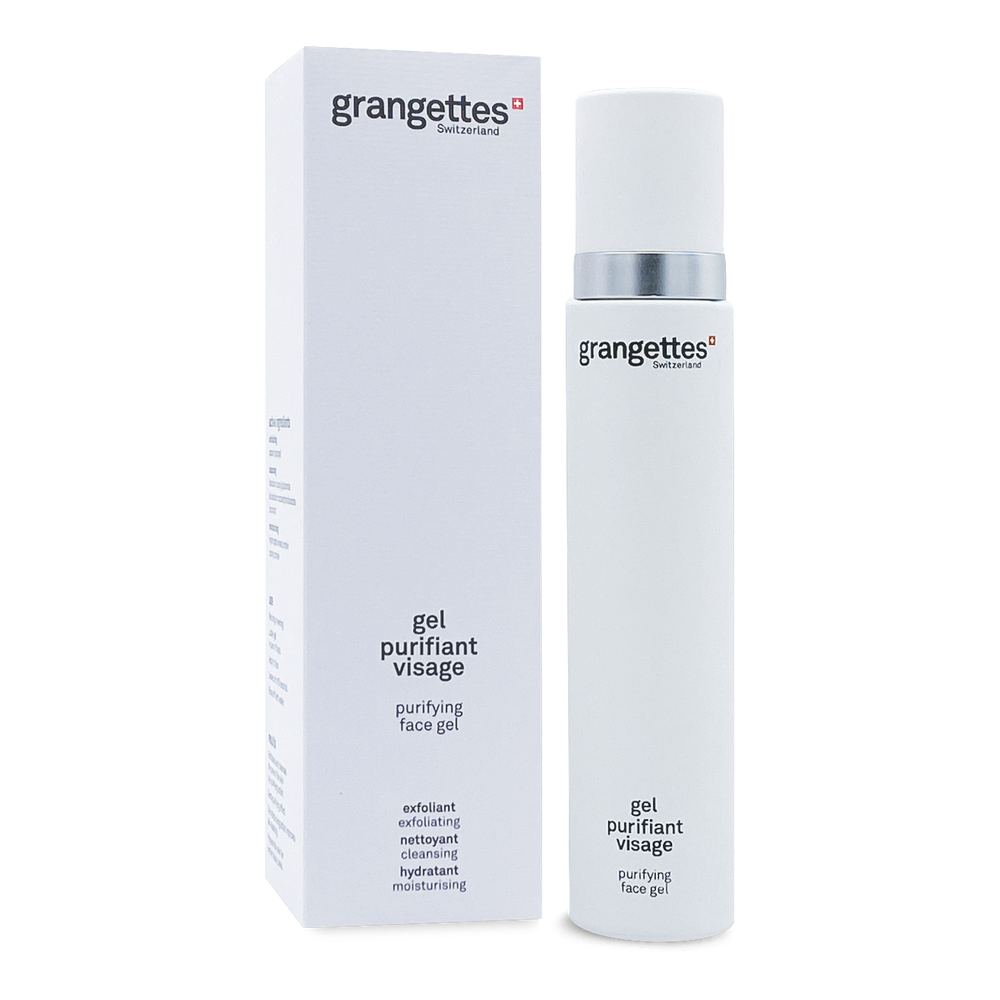
Also adopt a gentle cleansing routine, without rubbing: use your hands and gently massage your nape with a purifying gel made with gentle, skin-friendly ingredients. The Grangettes Switzerland gel is an essential ally here: it contains coconut-derived ingredients that act as cleansers to remove impurities and excess sebum, leaving the skin clean and radiant. Thanks to hydrolyzed wheat protein and cocoyl proline, your skin remains hydrated, soft, and supple. After sweating, you can therefore cleanse this area at the same time as your face to remove impurities and sweat.
- Regular price
- CHF 36.00
- Regular price
- Sale price
- CHF 36.00
- Unit price
- per
Hydration
Hydration is key: well-hydrated skin is better able to withstand external aggressors and heals more quickly.
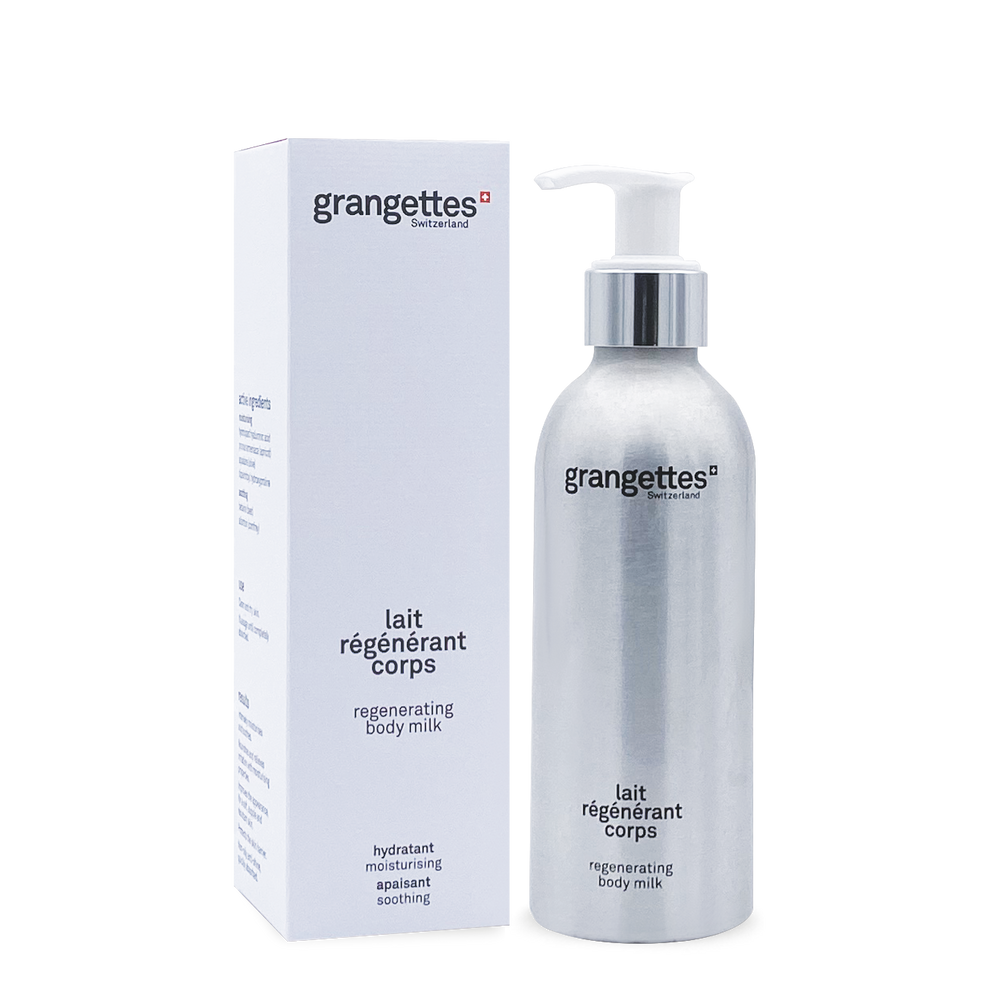
With this in mind, using a gentle body care product can make a real difference. The Grangettes Switzerland regenerating body milk is particularly suitable for sensitive skin. Its gentle formula, free from harsh ingredients, helps restore your skin barrier while providing comfort and hydration. Applied regularly to the nape after showering, it helps soothe irritation and prevent it from returning.
- Regular price
- CHF 35.00
- Regular price
- Sale price
- CHF 35.00
- Unit price
- per
Beyond occasional treatment, consistent skincare plays an essential role. A daily routine helps maintain the skin’s balance over the long term.
Choosing Haircare Products
Pay particular attention to the products you use: overly harsh shampoos or haircare products can leave irritating residue around the nape. Be sure to rinse them thoroughly and choose gentle, 100% clean formulas. Cosmetic analysis apps can help you make sense of them.
Applying Cold to Soothe Inflammation
Cold is a simple, proven method for reducing skin inflammation and itching. Use a cold compress or a clean cloth lightly moistened and placed in the refrigerator. Applied for a few minutes, it constricts the blood vessels and quickly reduces discomfort.
Avoid Irritating Ingredients During Flare-Ups
Certain ingredients, such as acids (AHA, BHA), retinol, or fragrances, can worsen existing irritation. During an inflammatory phase, dermatologists recommend simplifying your routine as much as possible. The goal is to allow the skin to repair itself without adding further stress.
Chamomile Compresses
Chamomile is known for its soothing and anti-inflammatory properties. Steep a tea bag in hot water, let it cool, then soak a compress in it. Apply it to the nape for a few minutes: this quickly calms redness and itching, especially in cases of sensitive or reactive skin.

When Should You Consult a Professional?
If the irritation persists despite care or worsens, it is best to seek professional advice. Some situations require specific treatment.
Signs to watch for include:
- Irritation that persists over time
- Intense or persistent itching
- The appearance of widespread or painful patches
- Infected spots or oozing
In such cases, appropriate medical treatment may be prescribed to address the underlying cause.
Prevention Is Better Than Cure
Prevention remains the best strategy for avoiding nape irritation. This involves a comprehensive approach, combining hygiene, product choices, and listening to your body. Cleanse your skin with a cleansing gel and body milk, and avoid repeated irritation, overly tight hairstyles, and excessively tight clothing.
In addition, do not overlook the impact of stress and fatigue: irritated skin is often a reflection of a broader imbalance. Taking care of yourself, both physically and emotionally, also contributes to skin health!