



What is sebo-squamous skin?
A sebo-squamous skin refers to skin that presents both:
-
An excessive sebum secretion (oily, shiny appearance, sometimes acneic);
-
And a visible desquamation (presence of small scales or dandruff, often around the wings of the nose, eyebrows, scalp, or chin).
This dual phenomenon gives the skin an appearance that is both oily and flaky, sometimes accompanied by redness and itching. The medical term most often associated with this condition is seborrheic dermatitis, although there are milder forms that do not strictly fall under it.
A multifactorial cause: imbalance, skin flora, and inflammation
Sebo-squamous skin is the result of a complex imbalance between three main factors...
Factor #1: excessive sebum production
Certain areas of the face (forehead, nose, chin, scalp) are rich in sebaceous glands. Under the influence of hormones (especially androgens) or stress, these glands can produce too much sebum, leading to oily skin, a favorable environment for microbial proliferation.
Factor #2: a proliferation of Malassezia-type yeasts
This yeast, naturally present on the skin, can grow excessively in an oily environment. It then releases irritating substances that cause skin inflammations, redness, and scales.
Factor #3: an abnormal inflammatory response
In some people, the skin reacts excessively to the presence of Malassezia, causing chronic inflammation and itching. This self-sustaining process explains why sebo-squamous skin tends to recur.

What are the characteristic signs of sebo-squamous skin?
Recognizing a sebo-squamous skin will allow you to adapt your skincare routine. The typical symptoms are:
-
Red and scaly areas: often around the wings of the nose, eyebrows, between the eyebrows, on the nasolabial folds or the scalp;
-
Oily dandruff: unlike dry dandruff, it sticks more to the skin;
-
Shininess and oily appearance of the face;
-
Discomfort sensation: tightness, mild itching, tingling;
-
Sometimes, a burning sensation in the inflamed areas.
Unlike acne, skin eruptions are not dominant. And unlike psoriasis, the flakes are finer and yellowish, not silvery.
Seborrheic skin or another problem? Make the right diagnosis
Before treating, it is essential to confirm the diagnosis. Some skin conditions resemble seborrheic skin but require different management:
| Skin problem | Distinctive signs |
|---|---|
| Seborrheic eczema | Swollen, scaly plaques, oozing areas |
| Facial psoriasis | Well-defined plaques, dry and silvery flakes |
| Rosacea acne | Permanent redness, small pimples, marked sensitivity |
| Simple combination/oily skin | Excess sebum without flakes or inflammation |
A dermatologist can confirm the diagnosis through a simple clinical examination.
How to act? The three-step strategy
The treatment of seborrheic skin is based on three complementary pillars: rebalancing, soothing, and protecting.
Step 1: rebalance sebum production
The goal is to regulate the functioning of the sebaceous glands without irritating the skin.
- Use gentle and soothing cleansers: avoid overly stripping gels, which paradoxically stimulate sebum production. Prefer cleansers based on mild active ingredients, sulfate-free, enriched with soothing agents (such as coconut, wheat protein, bisabolol, or vegetable glycerin);
- Incorporate sebum-regulating actives: ingredients like zinc, niacinamide or burdock extracts help limit sebum secretion while maintaining good hydration.
Step 2: reduce inflammation and flakes
Once the skin is cleansed, it is necessary to calm the inflammatory reaction and soothe the skin flora.
Start by soothing the skin with anti-inflammatory actives, such as allantoin and bisabolol, to reduce redness and burning sensations.
To control the proliferation of Malassezia, certain antifungal or purifying active ingredients are specifically recommended, such as zinc pyrithione, selenium sulfide, or natural extracts like tea tree or lactobacillus ferment, which restore the skin flora.
Step 3: restore the skin barrier and protect it long-term
A seborrheic flaky skin is often weakened by inflammation and repeated cleansing. It is therefore essential to rebuild your hydrolipidic film:
- Hydrate with light but restorative textures: choose non-greasy emulsions, rich in humectants (hyaluronic acid, glycerin...);
- Avoid occlusive products: creams that are too rich can worsen the proliferation of Malassezia. It is better to favor a fluid formulation, non-comedogenic cosmetics, tested under dermatological control;
- Protect your skin from external aggressions: pollution, temperature variations (heat, wind, cold...), oxidative stress…

Mistakes to avoid when you have seborrheic-squamous skin
Some well-intentioned habits can, paradoxically, worsen seborrheic-squamous skin...
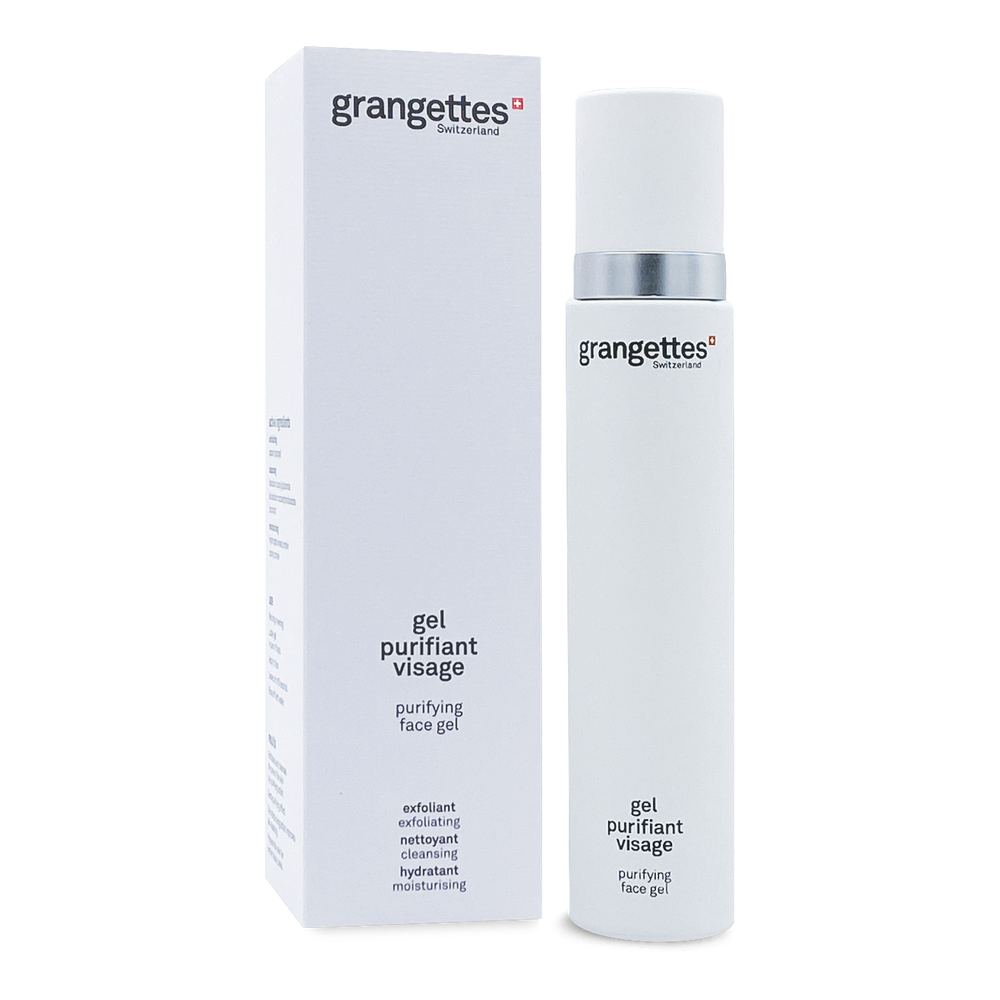
First of all, avoid multiplying mechanical scrubs: indeed, friction irritates the skin and sustains inflammation. To activate your skin's cell renewal, you can opt for gentle scrubs: the Grangettes Purifying Face Gel contains papain (papaya), which gently exfoliates for radiant and healthy skin.
- Regular price
- CHF 36.00
- Regular price
- Sale price
- CHF 36.00
- Unit price
- per
Avoid pure vegetable oils, often too rich: they are ideal for the proliferation of Malassezia. Prefer creams, serums, gels formulated with moisturizing actives like hyaluronic acid, vegetable glycerin, betaine...
To achieve this, two allies:
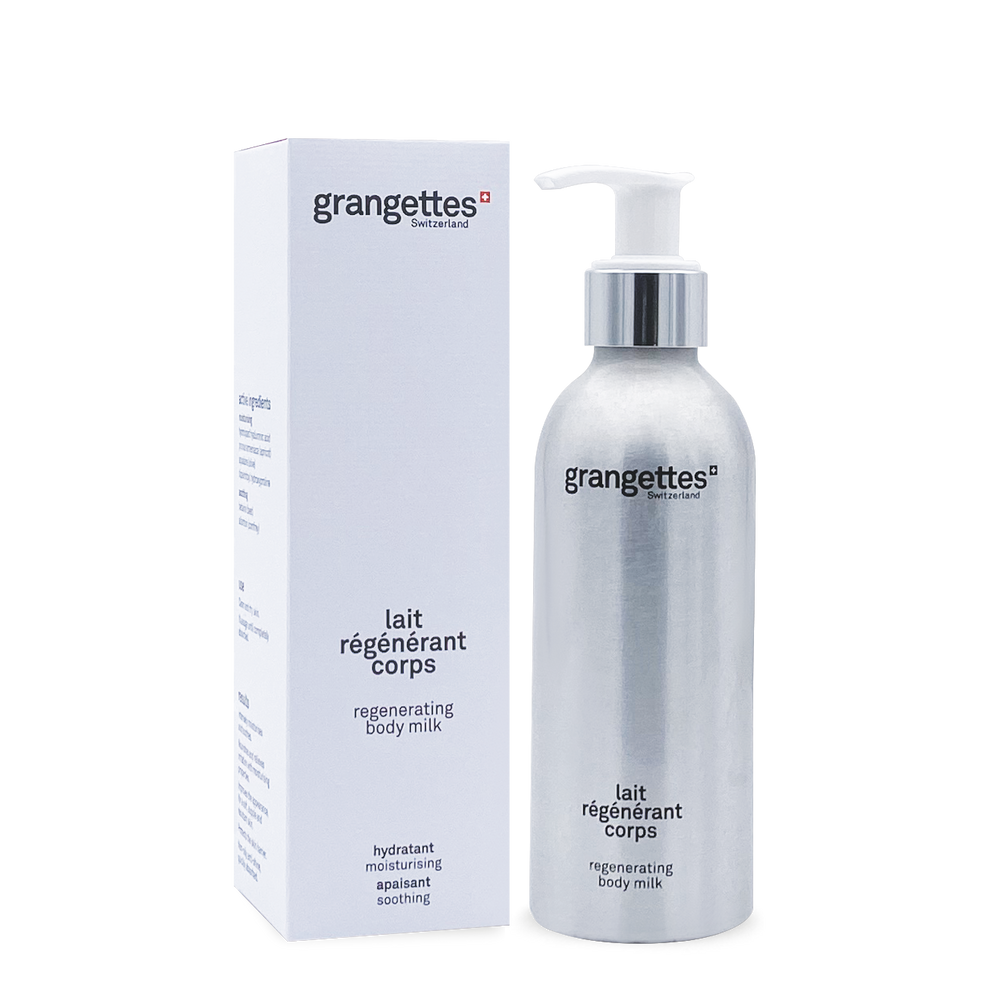
1) To hydrate your body, the Grangettes Switzerland regenerating milk is a key ally: it combines moisturizing ingredients such as hydrolyzed hyaluronic acid, prunus armeniaca (apricot), squalane (olive), and dipalmitoyl hydroxyproline for deep and lasting hydration.
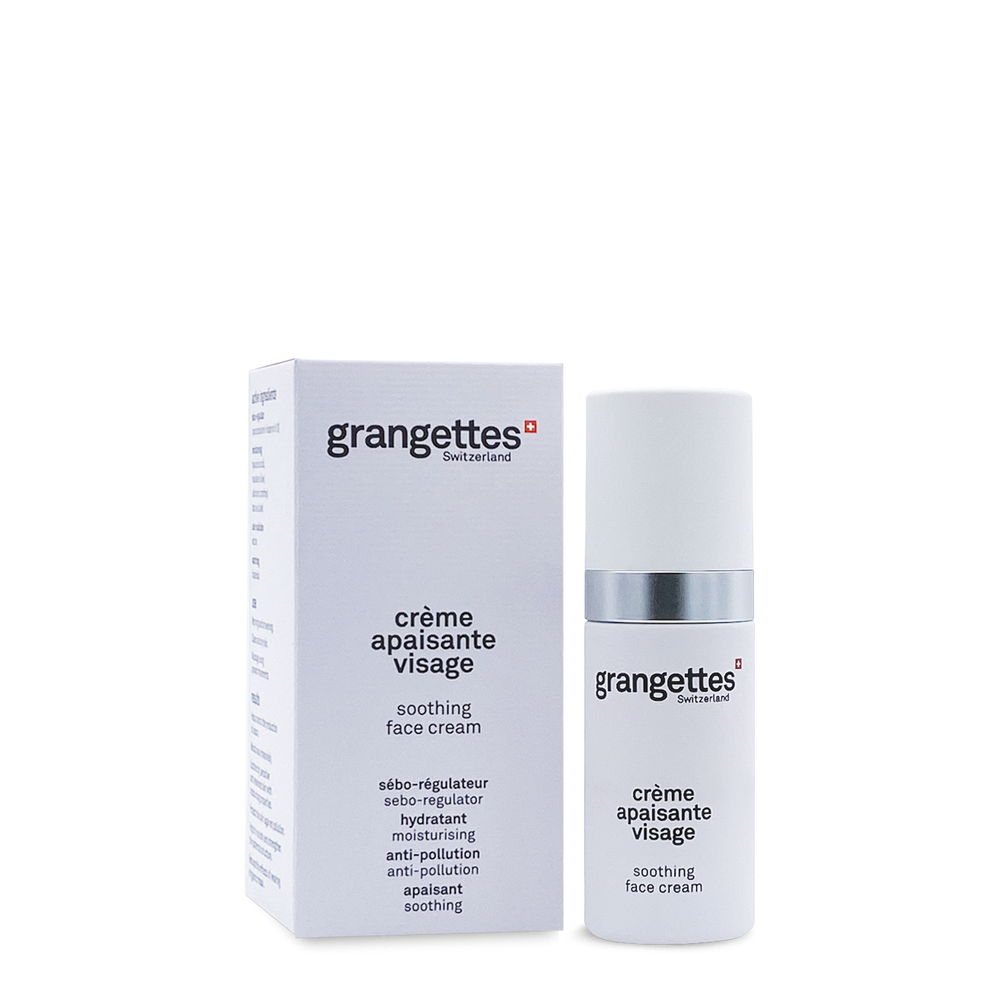
To hydrate your face, rely on the Grangettes Switzerland soothing cream. It is designed to meet the specific needs of the skin, such as sebum regulation, redness, dryness, and acne. Enriched with cyanocobalamin (vitamin B12), it balances sebum production for clear skin.
- Regular price
- CHF 35.00
- Regular price
- Sale price
- CHF 35.00
- Unit price
- per
- Regular price
- CHF 35.00
- Regular price
- Sale price
- CHF 35.00
- Unit price
- per
The main thing is not to completely stop hydration, as the skin might react by producing more sebum. The key lies in moderation and consistency: a simple, minimalist, gentle, and suitable routine.
And what about medical treatments?
In moderate to severe cases, a dermatological treatment may be necessary. Do not hesitate to consult for an informed diagnosis and advice on necessary treatments. Your dermatologist may prescribe antifungal creams, dermocorticosteroids, or specific shampoos if the scalp is affected.
These treatments help to break the vicious cycle of relapses initially. Then, well-managed cosmetic maintenance will take over!
Seborrheic-squamous skin: your daily routine
Focus on the minimalist routine to adopt if you have seborrheic-squamous skin:
Morning:
- Gentle soap-free cleansing with Grangettes purifying face gel
- Grangettes moisturizing, sebum-regulating, and soothing fluid cream
- Light sun protection (minimum SPF 30)
- Regular price
- CHF 36.00
- Regular price
- Sale price
- CHF 36.00
- Unit price
- per
- Regular price
- CHF 35.00
- Regular price
- Sale price
- CHF 35.00
- Unit price
- per
Evening:
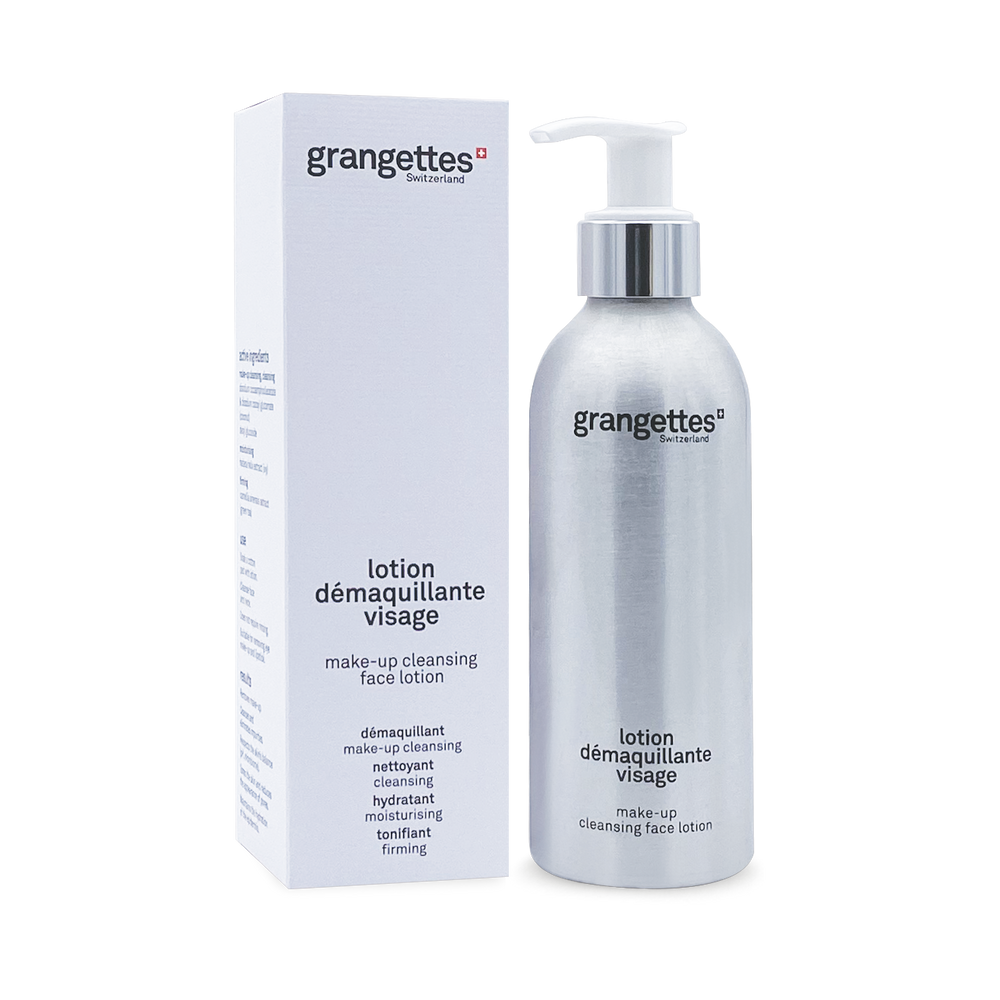
- Gentle makeup removal with a light lotion
- Cleansing and rinsing with lukewarm water
-
Non-comedogenic repairing moisturizing cream
- Regular price
- CHF 29.00
- Regular price
- Sale price
- CHF 29.00
- Unit price
- per
- Regular price
- CHF 36.00
- Regular price
- Sale price
- CHF 36.00
- Unit price
- per
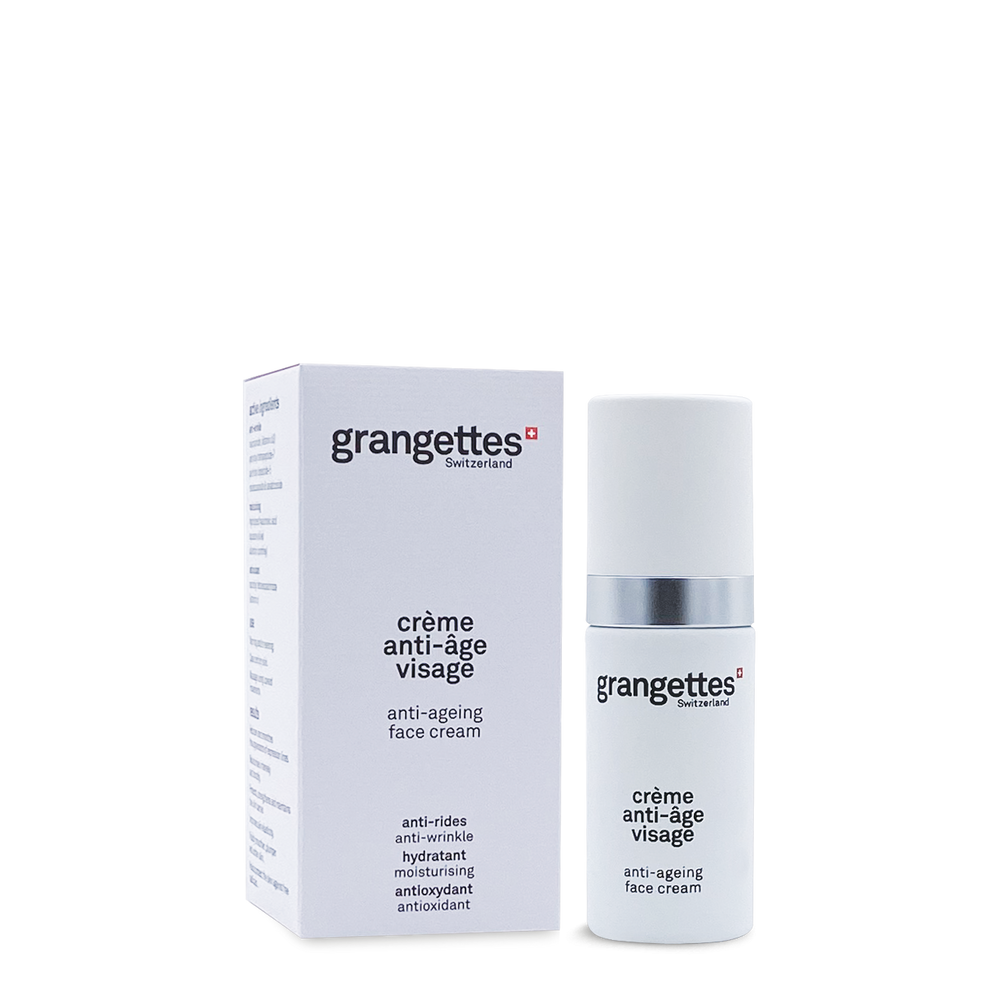
- Regular price
- CHF 37.00
- Regular price
- Sale price
- CHF 37.00
- Unit price
- per
Understand to act better
Seborrheic-squamous skin simply reflects a skin imbalance between sebum, flora, and inflammation.
By adopting a suitable routine, respecting the real needs of your skin, and avoiding excesses (whether in care or stripping), it is possible to regain lasting balance.
The key to success lies in consistency and the accuracy of care:
- Cleanse without irritating
- Soothe without suffocating
- Moisturize without greasing
With a gentle approach, seborrheic-squamous skin can become healthy, comfortable, and radiant again.