



Definition of TEWL
Insensible water loss corresponds to the passive evaporation of water contained in the deeper layers of the skin to the outside, without being noticeable. Unlike sweating, it does not depend on the activity of sweat glands and occurs continuously, even at rest.
This phenomenon mainly occurs at the level of the epidermis, and more precisely the stratum corneum, which acts as a protective barrier. When this barrier is intact, water loss remains moderate and physiological. However, when it is damaged, TEWL increases, leading to drier skin, more sensitive and sometimes irritated.
The role of the skin barrier
To understand TEWL, it is important to look at the structure of the skin. The stratum corneum is often compared to a “brick wall,” where the cells (corneocytes) are the bricks, and the lipids (ceramides, cholesterol, fatty acids) act as the mortar.
This system limits water evaporation while preventing the entry of external agents (pollutants, allergens, microorganisms). When this skin barrier is weakened, for example due to environmental factors, inappropriate care, or skin conditions, water escapes more easily.
Therefore, TEWL becomes a key indicator of skin integrity: the higher it is, the more the skin barrier is damaged.

Why does insensible water loss increase?
Several factors can influence insensible water loss.
Cause #1: Environmental conditions
Cold, wind, heat, or very dry air (heating, air conditioning) promote water evaporation. In winter, for example, TEWL often increases, which explains the feeling of tightness.
Cause #2: External aggressions
Harsh cleansers, excessive exfoliation, or certain irritating active ingredients can damage the skin barrier. This leads to an increase in TEWL and progressive dehydration.
Cause #3: Age
With aging, lipid production decreases. Your skin becomes thinner, more fragile, and less effective at retaining water, naturally increasing TEWL.
Cause #4: skin conditions
Certain conditions like eczema, psoriasis, or atopic dermatitis are associated with a compromised skin barrier. TEWL is often significantly higher in these cases.
Cause #5: lifestyle habits
Insufficient hydration, stress, lack of sleep, or an unbalanced diet can also impact your skin quality and promote water loss.
How is TEWL measured?
Insensible water loss can be measured using specific devices used in dermatology or cosmetology, called evaporimeters. These devices assess the amount of water evaporating from the skin surface over a given period. This measurement is especially useful in clinical studies to test the effectiveness of cosmetic products or to evaluate the skin barrier condition in patients.
In daily life, even without devices, some signs can suggest high TEWL: tightness, dull skin, roughness, discomfort, or increased sensitivity.
TEWL and hydration: what’s the difference?
It is important not to confuse skin hydration and TEWL. Skin can lack water (dehydration) while having a relatively intact skin barrier, or conversely be well hydrated but have excessive water loss:
- TEWL concerns the skin's ability to retain water;
- Hydration depends on the amount of water present in the tissues.
The two concepts are related but distinct.
An effective skincare routine must therefore address both aspects:
- Provide water to the skin (moisturizers like glycerin or hyaluronic acid)
- Strengthen the skin barrier to limit losses (lipids, ceramides)

How to limit insensible water loss?
Reducing TEWL mainly involves strengthening the skin barrier.
Tip #1: choose suitable skincare
Favor gentle products, free of irritating agents, and rich in lipids. Creams containing vegetable oils, shea butter, squalane, or hyaluronic acid are your best assets!
Tip #2: avoid harsh cleansing
Soaps that are too alkaline can damage the hydrolipidic film. Choose formulas that respect the skin's pH.
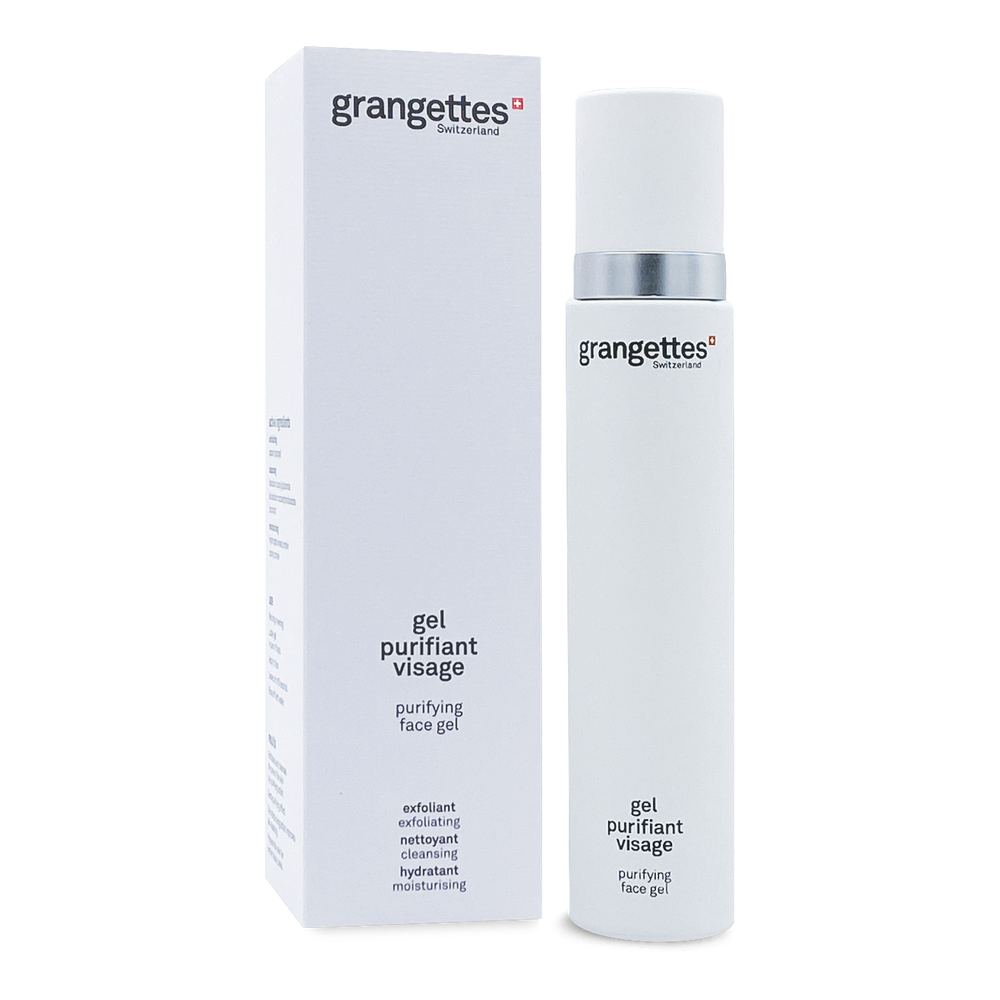
Here, you can turn to the Grangettes Switzerland purifying gel: it contains hydrolyzed wheat protein and cocoyl proline, which ensure optimal skin hydration.
- Regular price
- CHF 36.00
- Regular price
- Sale price
- CHF 36.00
- Unit price
- per
Tip #3: hydrate regularly
Applying a moisturizing cream morning and evening helps maintain a good hydration level and limit water evaporation.
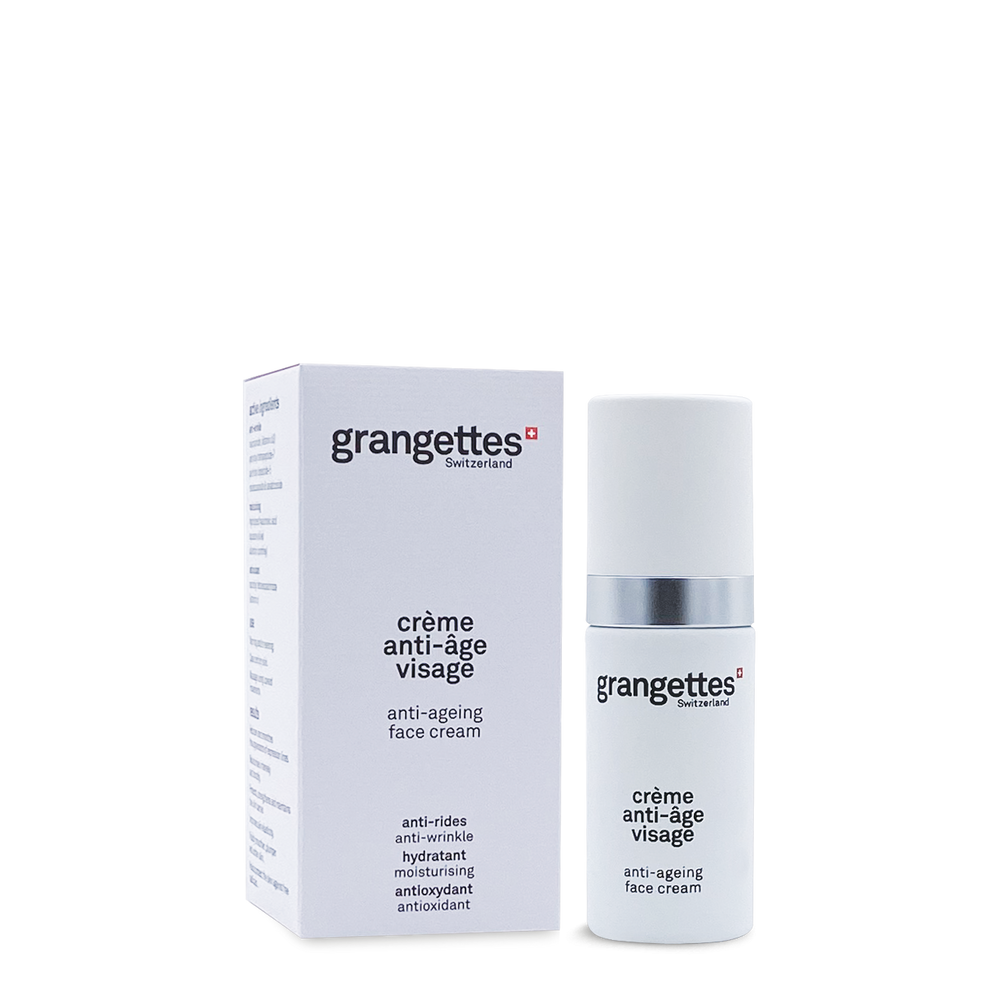
For the face, choose a cream rich in hyaluronic acid: the Grangettes Switzerland anti-aging cream contains hydrolyzed hyaluronic acid, olive-derived squalane, and allantoin from comfrey. These ingredients provide intense and lasting hydration: a must-have to restore softness, suppleness, and natural radiance.
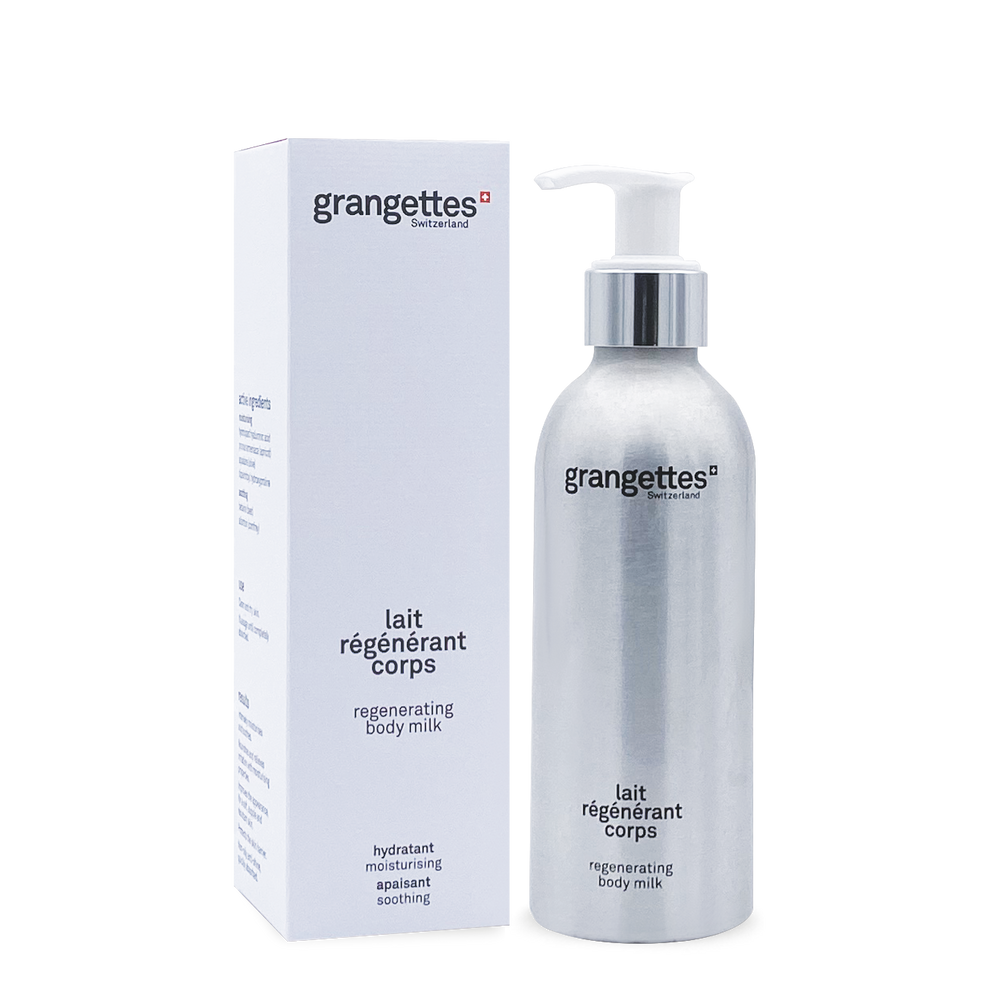
And for the body? The Grangettes regenerating body milk is your key ally: its expert formula maintains skin structure and regulates its hydration.
- Regular price
- CHF 37.00
- Regular price
- Sale price
- CHF 37.00
- Unit price
- per
- Regular price
- CHF 35.00
- Regular price
- Sale price
- CHF 35.00
- Unit price
- per
Tip #4: use an eye contour gel
The eye contour area is extremely thin and fragile (up to 4 times thinner than the rest of the face). As a result, it loses water more easily, so TEWL is often higher there.
A well-formulated eye contour treatment (gel or cream) can:
- Strengthen the skin barrier;
- Limit water evaporation;
- Improve comfort (less tightness, dehydration fine lines).
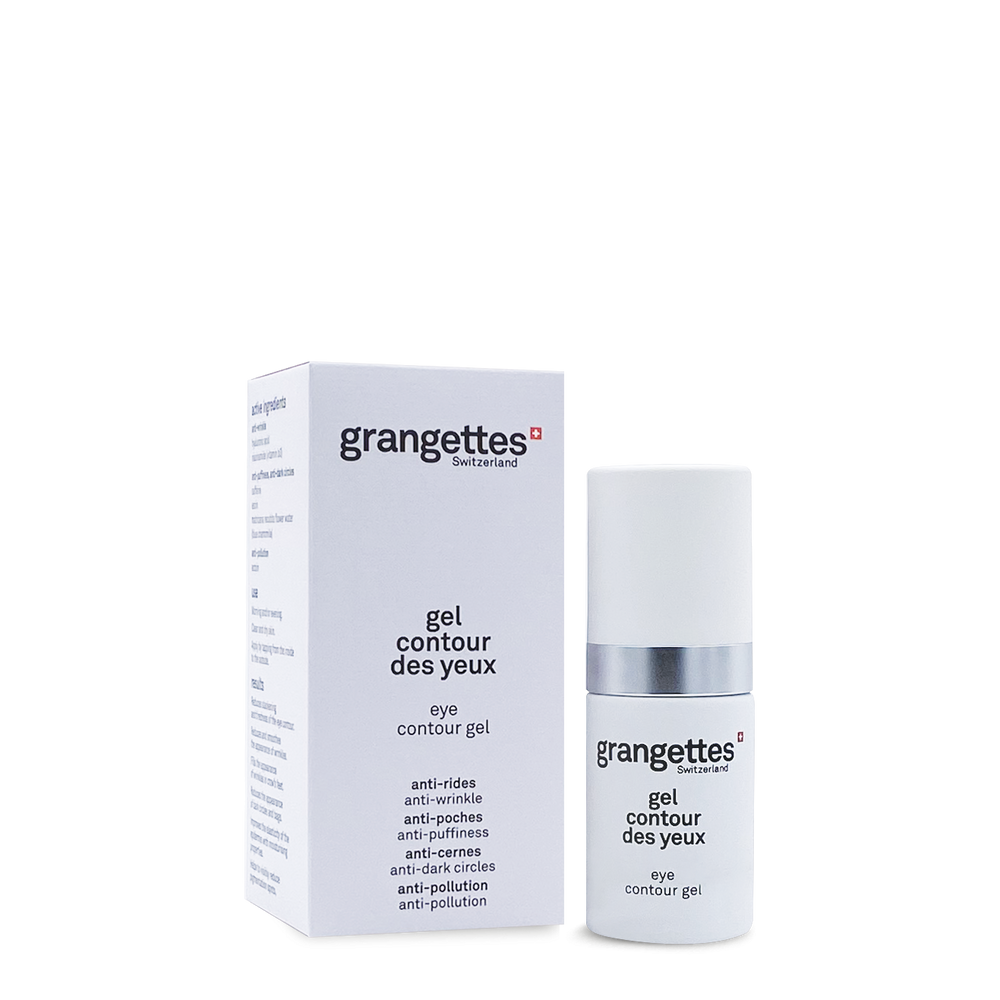
How to care for this area of the face? The Grangettes Switzerland eye contour gel is your best ally: enriched with hyaluronic acid, it strengthens the upper layers of your epidermis and supports your lipid barrier.
- Regular price
- CHF 35.00
- Regular price
- Sale price
- CHF 35.00
- Unit price
- per
Tip #5: protect your skin from aggressions
In winter, remember to protect your skin from cold and wind. And in summer, use sun protection to avoid UV-related damage, which can also impair the skin barrier!